Meme coin trading works best as a fast, disciplined process rather than a lottery ticket
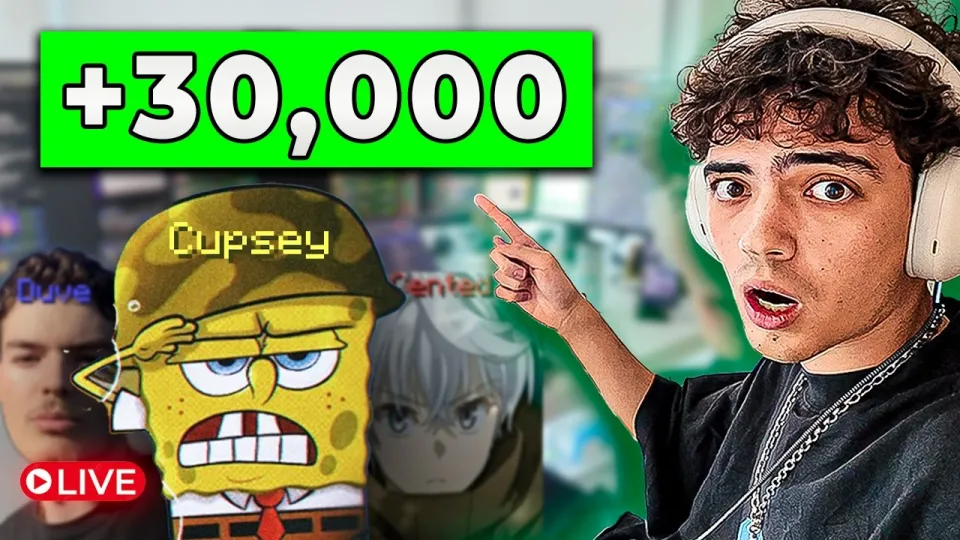
Video: I Traded With The World’s #1 Memecoin Trader
Want articles like this for your own video to promote it on YouTube and Google? Order them through the Telegram bot @sat_sit_bot. It writes articles around your video, embeds the video and publishes them on popular niche websites (no ads). Try it free: 50 articles on us.
· based on the channel Ethan Prosper
Meme coin trading is the practice of buying newly launched tokens on chains like Solana, holding for minutes to hours, and exiting into liquidity before the crowd — and the traders who do it well treat it as a repeatable process with rules, not as gambling. In a live session on the Ethan Prosper channel, a guest trader ran a small number of Solana meme coin trades that added up to roughly 350+ SOL, with single positions returning +200 SOL and about $15,000. The tools used were a trading terminal — you can register and trade through the Padre terminal used in the session — plus wallet trackers and a lot of screen time.
What a meme coin actually is and why the timeline is so short
A meme coin is a token with no cash flow, no product and no roadmap that matters; its price is driven entirely by attention, liquidity and the order flow of other traders. On Solana, launchpads like pump.fun let anyone mint a token in seconds, which means supply is effectively infinite and every new pair competes for the same pool of buyers. That structure produces two consequences: upside can be enormous in minutes, and downside is total — most launches go to zero, and the ones that survive are a small minority. Because there is no fundamental value to anchor price, the only edge available is informational and behavioural: getting in earlier than others, sizing correctly, and leaving before the bid disappears. Anyone treating a meme coin as a long-term investment is playing a different, much worse game than the one the token was designed for.
How the live session was structured
The session followed a simple loop: scan for fresh launches and tracked wallets, enter small, add only when the chart confirms, and take profit in tranches. The first trades were on early pairs where the entry came within the first minutes of trading and the position was scaled out as volume arrived, producing the +200 SOL result. Later trades included Cheese Coin and an AI-themed token, then an Elon/Grok-branded launch that returned roughly $15,000, and a run on Mosaic AI that added around 80 SOL. The last trade of the session was closed and the video ended without forcing another entry — the willingness to stop is part of the method, not an afterthought. Positions were small relative to the account, entries were mechanical, and no trade was held through a stall waiting for a recovery.
The tools and habits behind the results
Speed is the product of preparation, not reflexes. The traders in this style run three things in parallel:
- A fast terminal with hotkeys and pre-set buy amounts, so an entry takes one click instead of a form.
- Wallet tracking on known profitable addresses — the guest's wallet and X profile were shared publicly in the description, which is how followers copy the flow rather than guessing.
- A scanner filtered by liquidity, holder count and dev behaviour, so the shortlist is small before the chart is even opened.
On top of that sit habits that are less glamorous: a fixed maximum loss per trade, a rule that profit is taken in pieces rather than all at once, and a hard stop on the number of trades per day. The traders who survive this style are the ones who treat each position as expendable and never let one loss erase five wins.
Why most people lose money copying this style
Copying a fast trader is much harder than it looks, because the edge lives in seconds and in information you do not have. By the time a call is public, the entry price has moved; by the time a chart looks obvious, the exit liquidity is being provided by later buyers. Multi-wallet behaviour, bundled launches and insider allocations are common on launchpads, and the retail buyer entering on a green candle is often the exit for someone who bought the first block. There is also a structural problem: this style demands ten-hour sessions, constant monitoring and the ability to sit out for hours when nothing qualifies. A viewer who tries it for twenty minutes a day with a full-time job is not running the same strategy — they are running a slower, worse version of it. The honest framing is that this is one of the hardest ways to trade crypto, not the easiest entry point.
A calmer alternative for people who are not full-time traders
You do not need to trade brand-new pairs to participate in meme coins. A slower approach keeps the same asset class but removes most of the speed disadvantage:
- Trade established meme coins with real liquidity and a long trading history instead of minute-old launches.
- Size positions so that a total loss is a rounding error, not a crisis.
- Use limit orders and pre-defined exits rather than market orders chased on a chart.
- Track a small number of names and learn their behaviour instead of scanning hundreds of new pairs.
- Accept that missing a move costs nothing, while chasing one can cost everything.
This version produces smaller numbers, but it is compatible with having a job, sleeping, and not watching a screen for ten hours. The inspiration from a session like this should be the discipline — fixed sizing, pre-planned exits, no revenge trades — not the trade frequency.
Common questions from viewers of this kind of content
Viewers watching a 350+ SOL session tend to ask the same things. Is it real? The wallets and profiles were published in the description, which makes the results verifiable on-chain, but verification of one session says nothing about long-term expectancy. Where does the money come from? Mostly from later buyers in the same token, which is why the exit matters more than the entry. What are the 'faucets' being mentioned? In this context the term refers to sources of fresh capital and new launch flow — new wallets, new launches, new narratives — that keep the machine running. And what does it take to start? A terminal, a funded Solana wallet, a small bankroll you can lose entirely, and enough time to sit through the boring hours. None of those answers make the style safe; they just explain the mechanics.
Useful links
- Trading terminal used in the session: https://trade.padre.gg/rk/prosper
- All of the host's links: https://ethanprosper.com
- Guest trader's X profile: https://x.com/cupseyy
- Free Discord community: https://discord.gg/solmafia
- Paid research community: https://www.joinpastel.com/r/ref=ETHAN
Final takeaway
Meme coin trading at this level is a job built on speed, wallet intelligence and ruthless sizing, and the 350+ SOL session is a demonstration of that process rather than a template anyone can copy in an hour. The transferable lessons are the boring ones: enter small, take profit in pieces, stop when the setup disappears, and never let one position decide the month. Ethan Prosper's channel is the source of this breakdown, and the live format is worth watching precisely because it shows the losses, the skipped setups and the exits alongside the wins. If you want to test the tools, start with the Padre terminal registration and paper-trade the flow before committing real capital. Treat every figure in a highlight video as a single sample, not an expected return.
Key takeaways
- A live session on Solana memecoins produced roughly 350+ SOL across a handful of trades, with individual wins like +200 SOL on early entries.
- Trades were executed through the Padre terminal (trade.padre.gg), with wallets and profiles shared publicly for verification.
- Winning setups came from early entries on new launches such as Cheese Coin, Mosaic AI and an Elon/Grok-themed token that returned about $15K.
- The trader tracked is Cupsey, whose wallet and X profile were linked in the video description.
- Most of the edge came from speed, wallet tracking and strict sizing, not from holding long or picking 'good projects'.
Source: I Traded With The World’s #1 Memecoin Trader · Markdown version
Questions & answers
How much capital do you need to start trading meme coins?
Only an amount you can lose in full without changing your finances, because most new launches go to zero. A practical floor is a bankroll split into many small positions rather than one large bet, so a single loss never ends the session. The traders in the fastest style also keep a reserve for fees and failed entries.
Is copying a top trader's wallet a reliable strategy?
It is a starting point, not an edge. Published wallets let you verify results and study entry timing, but by the time a copy trade executes you are usually behind the original fill and ahead of retail buyers who arrive later. Copying also removes your control over exits, which is where most of the risk sits.
Why do most meme coin traders lose money even when the charts look simple?
Because the visible chart hides the order book, the bundled supply and the multi-wallet activity behind a launch. Retail buyers typically enter on strength created by earlier buyers who are already selling into that demand. Add the time cost of monitoring new pairs for hours and the disadvantage compounds.
What is a safer way to get exposure to meme coins?
Trade established tokens with deep liquidity instead of minute-old launches, use small fixed position sizes and pre-defined exits, and avoid chasing candles. Slower trading gives up the extreme upside of a fresh launch but removes most of the speed disadvantage that retail traders cannot overcome.