How to Start Trading Successfully as a Beginner and Build Steady Profits
· based on the channel Sierra Aaliyah
Starting trading as a beginner can seem overwhelming, but it becomes manageable with the right approach and knowledge. Trading involves buying and selling financial instruments like stocks, options, or futures to profit from market movements. To start trading successfully, beginners should begin with a small account ($300–$2,000), practice on paper trading platforms, and learn fundamental concepts such as calls and puts and market structure. For those interested, joining a trading community like Crystal Academy Discord can provide valuable support and mentorship.
Understanding What Trading Really Is
Trading is the act of buying and selling assets to profit from price changes. It is not a get-rich-quick scheme but a skill requiring discipline, learning, and patience. Beginners often confuse trading with investing; trading focuses on short-term gains, sometimes within minutes or days, while investing is about long-term growth. In 2026, day trading remains popular but demands an understanding of market volatility and risk management.
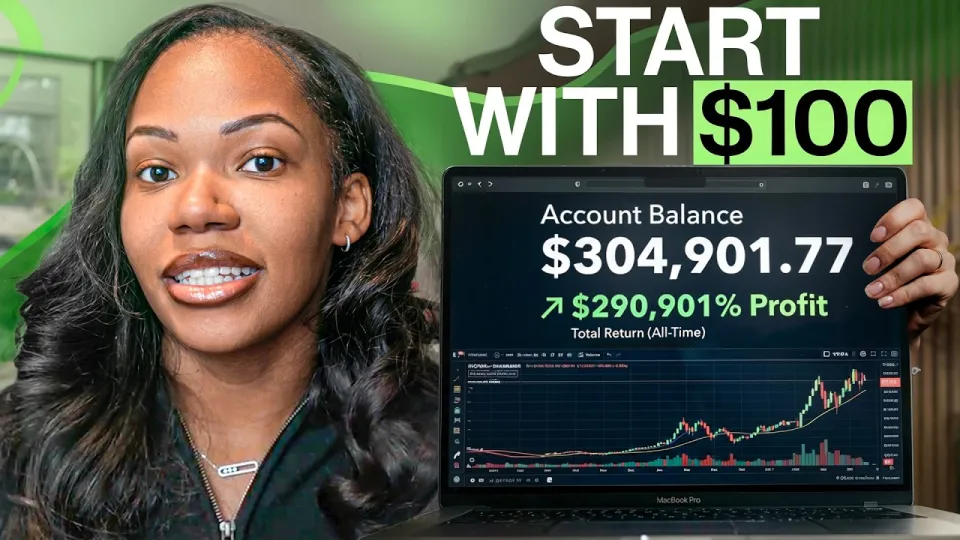
Video: How To Start Trading As A Beginner In 2026 (Step-by-Step)
Calls and Puts Explained Simply
Options trading is a key area for many beginners. Calls give you the right to buy an asset at a set price before expiration, while puts give you the right to sell. Understanding the difference helps you strategize based on market direction. Beginners should start with simple options to grasp these concepts before exploring complex strategies. Knowing when to use calls or puts aligns with your market outlook and risk tolerance.
Options vs Futures: Choosing the Right Instrument for Your Schedule
Options and futures are derivative contracts but differ significantly. Options provide the right without obligation, while futures require the obligation to buy or sell at a set price and date. Options trading tends to be more flexible and suitable for beginners, especially those balancing trading with other commitments. Futures require higher capital and risk tolerance. Choose based on your schedule, capital, and trading goals.
Essential Tools: Webull Broker and TradingView Platform
Choosing the right broker and charting tool is critical. Webull offers commission-free trades, an intuitive interface, and free stocks upon signup, making it ideal for beginners. TradingView is the preferred charting platform for its user-friendly design and powerful analysis tools, including candlestick charts and market structure indicators. Learning to read charts properly is fundamental for timing trades effectively.
Three Key Concepts Every Beginner Must Master
- Risk Management: Never risk more than 1-2% of your trading capital on a single trade.
- Market Structure: Understand support, resistance, and trend patterns to identify entry and exit points.
- Trading Psychology: Control emotions like fear and greed to avoid impulsive decisions.
Mastering these concepts helps prevent common beginner mistakes and builds a foundation for consistent profitability.
Common Challenges Beginners Face and How to Overcome Them
Many beginners quit within the first two months due to losses and frustration. Common issues include overtrading, chasing quick profits, and ignoring risk management. To avoid these pitfalls:
- Start with paper trading to practice without financial risk.
- Set realistic goals and be patient with progress.
- Join supportive communities or mentorship programs like Crystal Academy Discord.
By committing to learning and maintaining discipline, beginners can transition to profitable real-money trading.
Useful Links
- Join Crystal Academy Discord for mentorship and community support: https://whop.com/c/crystal-academy/youtube
- Sign up with Webull broker and get free stocks: https://www.webull.com/k/SierraUSA
- Follow Sierra Aaliyah on Instagram: https://www.instagram.com/sierra.aaliyah/
- Watch TradingView tutorials and learn to read candlestick charts for beginners
Conclusion
Starting trading as a beginner requires realistic expectations, dedication to learning, and consistent practice. Trading is a skill, not luck, and involves managing risk and emotions effectively. Using accessible tools like Webull and TradingView, focusing on key concepts, and engaging with communities such as the Crystal Academy can accelerate your growth. Sierra Aaliyah’s approach emphasizes starting small, paper trading first, and building knowledge step by step. If you’re ready to commit, trading can become a rewarding source of income and financial growth.
Key takeaways
- Start trading with $300 to $2,000 to limit risk
- Paper trading is essential before real money
- Understand calls vs puts and options vs futures
- Use Webull broker and TradingView charts
- Master 3 key trading concepts and trading psychology
Source: How To Start Trading As A Beginner In 2026 (Step-by-Step) · Markdown version
Questions & answers
Do I need a large amount of money to start trading?
No, you do not need a large amount of money to start. It is recommended to start with between $300 and $2,000 to manage risk effectively while learning.
What is the difference between calls and puts in options trading?
Calls give you the right to buy an asset at a predetermined price before expiration, while puts give you the right to sell. Understanding these helps you make strategic trades based on market direction.
How important is paper trading for beginners?
Paper trading is essential for beginners because it allows you to practice trading strategies without risking real money. It builds confidence and helps evaluate if you can consistently make profits before trading live.
Why do most beginners quit trading early?
Most beginners quit due to losses, frustration, and lack of proper risk management. Overtrading, chasing quick profits, and emotional decision-making often cause failure, which can be avoided by education, patience, and support.